

















 0
0
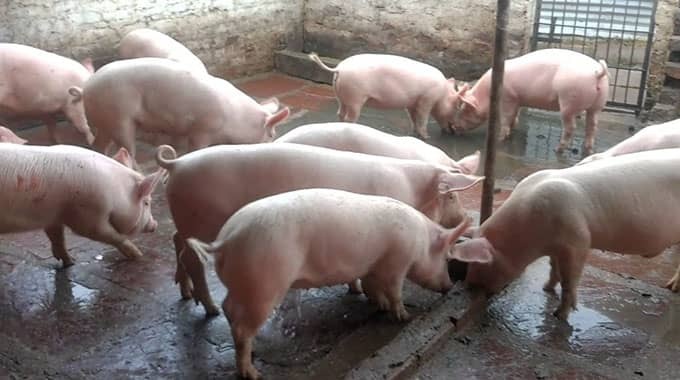
Zimbabwe’s smallholder pig sector has recorded significant gains following the introduction of improved genetics, with farmers increasing the number of pigs sold per sow per cycle by 50%, from 10 to 15. The genetic improvement programme, launched in 2025, has enabled more than 100 farmers to import over 700 gilts and boars, leading to higher productivity and greater efficiency.
According to Premier Agriculture Cooperative (PAC) chairperson Tapiwa Evans Takawira, farmers are now selling an average of 30 porkers and baconers per sow annually, compared to 20 previously. The average age to slaughter has also fallen from 183 days to 137 days, while maintaining a minimum cold dressed carcass weight of 62kg. These improvements have been driven by better feed conversion rates and the use of high-quality terminal sire genetics, which have enhanced carcass performance and reduced production costs.

The cooperative credited the Government, the Pig Industry Board and the Department of Veterinary Services for supporting the programme through import protocols, quarantine facilities, biosecurity measures, animal health inspections and farmer training. PAC has also called for the establishment of accredited breeding centres, decentralised abattoirs and lower slaughter fees to further strengthen the industry.
Zimbabwe’s pig industry is showing strong growth overall. The 2025/26 Crops, Livestock and Fisheries Assessment (CLAFA 2) reported that commercial pig slaughter at registered abattoirs rose by 9.6%, reaching 264,952 animals. Porkers and baconers accounted for the largest share of slaughter numbers, highlighting strong market demand.
The sector is also benefiting the feed industry, with pig feed production reaching 95,119 tonnes in 2025, representing 9% of total livestock feed output and a 13% increase from the previous year. However, feed remains the largest production cost, accounting for between 60% and 70% of expenses, making local feed production a key priority for long-term sustainability.
Looking ahead, Zimbabwe’s Agriculture Food Systems and Rural Transformation Strategy 2026–2030 identifies pig production as a major growth opportunity. National pork production is projected to increase from 25,000 tonnes in 2025/26 to 36,000 tonnes by 2030/31, while the sow population is expected to rise from 153,773 to 256,406 over the same period. The pig value chain is forecast to contribute US$85 million to the economy in 2025/26, increasing to US$104 million by 2030/31.
The strategy will focus on expanding access to quality genetics through multiplication and artificial insemination centres, improving financing for smallholder farmers, promoting affordable feed production, strengthening biosecurity and disease surveillance, and reducing compliance costs for abattoir operators. These measures are expected to further enhance productivity, reduce pork imports and boost the competitiveness of Zimbabwe’s smallholder pig producers.
June 8, 2026/Zimbabwe/
https://www.heraldonline.co.zw/